
The C53 automated driving system’s operation guide offers detailed instructions and troubleshooting. This user manual details the system‚ ensuring safe and efficient operation.
Released October 31‚ 2025‚ this document supports the C53‚ C53x‚ C63x‚ C83x‚ and C93x models‚ providing essential information for all users.
Overview of the System
The Auto Drive C53 is a sophisticated automated system designed to optimize motor control and efficiency. This system incorporates an automatic load check routine‚ ensuring reliable performance and preventing potential overloads. It’s crucial to understand that the system is designed to drive the motor‚ not the motor itself‚ requiring careful attention to power FET testing.
The C53 features a user-friendly interface with clear display indicators and warnings‚ accessible through a navigable user menu. Initial setup involves unboxing‚ driver installation‚ and system compatibility checks‚ detailed in the user manual (available as a PDF). Microsoft Support provides additional resources for related products.
Key Features and Benefits
The Auto Drive C53 boasts a FINE SETUP MOTOR SENSOR‚ allowing for post-auto-tuning parameter adjustments to enhance sensor performance. A significant benefit is the integrated Auto Off Feature‚ automatically deactivating the system for safety and energy conservation.
Users gain precise control through adjustable sensitivity levels and configurable Auto Drive parameters. Understanding energy characteristics – specific to C53x‚ C63x‚ C83x‚ and C93x models – optimizes efficiency. Accessing the complete user manual (PDF format) and Microsoft Support ensures comprehensive assistance.
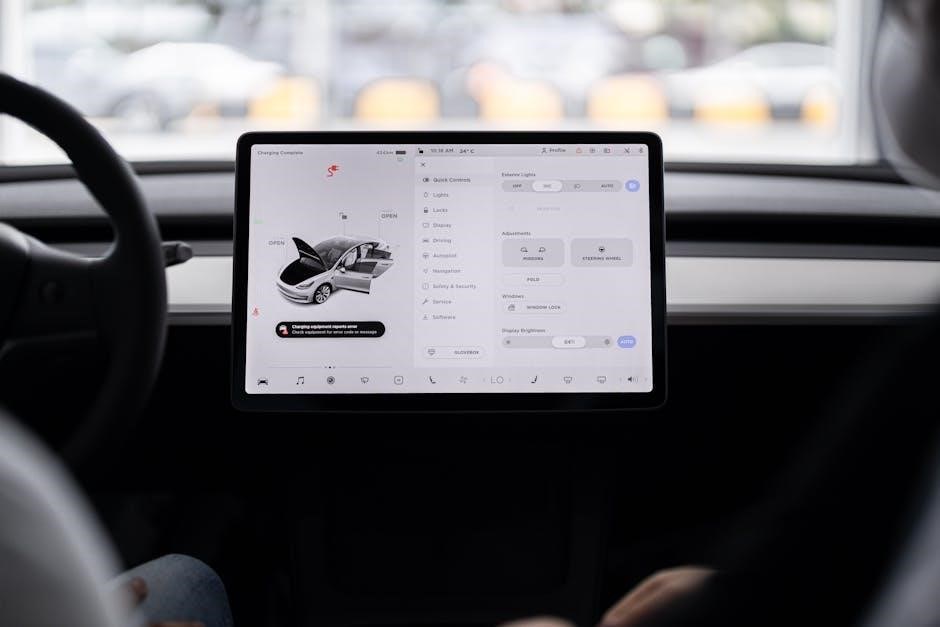
Getting Started with Your C53
Begin by unboxing and setting up your C53‚ then download and install the McIntosh C53 Driver following the provided instructions carefully.
Unboxing and Initial Setup
Carefully unpack the C53 system‚ verifying all components are present. This includes the main control unit‚ sensor array‚ power cables‚ and this user manual. Inspect for any shipping damage before proceeding.
Connect the power cable to a suitable power source‚ ensuring correct voltage. Initially‚ do not connect the sensor array. Power on the control unit and allow it to complete its self-diagnostic sequence. Refer to the display indicators for status updates. Once the system indicates readiness‚ proceed with sensor array connection‚ following the detailed diagrams in section 3.1.
Downloading and Installing the C53 Driver
Before operation‚ the C53 Driver must be installed on your host system. Access Microsoft Support for compatible operating systems and download the latest version. Ensure you download the driver specifically for the C53 model.
Run the downloaded installer and follow the on-screen instructions. Accept the license agreement and choose your preferred installation directory. The installer will automatically detect compatible hardware. Upon completion‚ restart your system. Refer to figure 93 for visual guidance during installation.
System Requirements and Compatibility
The Auto Drive C53 requires a compatible host system for optimal performance. Microsoft Windows 10 or 11 (64-bit) is recommended. A minimum of 8GB RAM and 500MB of free disk space are necessary. Ensure your system meets these specifications before installation.
Compatibility extends to various Microsoft products‚ detailed on their support website. Verify your hardware interfaces align with the C53’s requirements. Older operating systems may experience limited functionality or require specific driver versions.
Understanding the C53 Interface
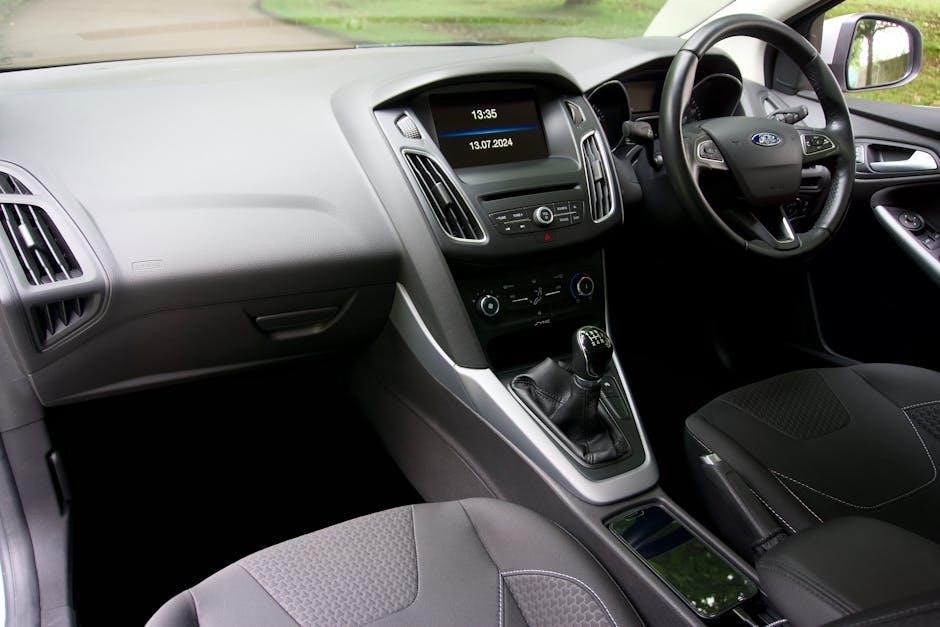
The C53 features a user-friendly control panel with clear display indicators and warnings. Navigating the user menu provides access to advanced settings and customization options.
Control Panel Layout

The C53’s control panel is intuitively designed for ease of use during auto drive operation. Key elements include the activation/deactivation switch for Auto Drive‚ prominently positioned for quick access. Surrounding this are indicator lights displaying system status – power‚ sensor connectivity‚ and error alerts.
A central display screen showcases real-time data‚ including motor sensor configuration details and automatic load check results; Below the screen‚ a user menu navigation cluster allows for adjustments to sensitivity levels and Auto Drive parameters. The panel’s layout prioritizes clear visibility and efficient control‚ enhancing the overall user experience.
Display Indicators and Warnings
The C53 utilizes a comprehensive system of display indicators and warnings to ensure safe operation. A solid green light signifies normal Auto Drive functionality‚ while a flashing amber light indicates a sensor malfunction requiring attention. Red alerts signal critical errors‚ potentially triggering the Auto Off Feature.
Specific error codes‚ detailed in the troubleshooting section‚ provide precise diagnostic information. Warnings may also appear on the central display‚ alerting users to potential issues like excessive load or low energy characteristics (C53x‚ C63x‚ C83x‚ C93x). Immediate action is advised upon any warning display.
Navigating the User Menu
The C53’s user menu is accessed via the central control panel. Utilize the directional buttons to scroll through options‚ including Auto Drive settings‚ sensor configuration‚ and system checks. Press the ‘Select’ button to confirm choices.
The menu structure is logically organized‚ allowing for easy adjustment of sensitivity levels and Auto Drive parameters. Refer to the complete user manual (PDF format) for a detailed breakdown of each menu item. Remember to save any changes before exiting the menu.
Auto Drive Functionality
Auto Drive is activated/deactivated through the control panel. The C53 features an automatic load check routine‚ ensuring optimal motor performance and safe operation.
Activating and Deactivating Auto Drive
To activate Auto Drive‚ navigate to the main control panel using the user menu. Ensure the system has completed the automatic load check routine before engagement. A confirmation message will appear on the display indicators.
Deactivation is equally straightforward; simply select the ‘Deactivate’ option on the control panel. The system will initiate a controlled shutdown sequence. Always verify complete deactivation via the display.
Important Note: Never attempt to manually override the Auto Drive system during operation‚ as this could lead to unpredictable behavior and potential safety hazards. Refer to the safety precautions section for detailed guidance.
Fine Setup Motor Sensor Configuration
Following the auto-tuning procedure‚ users can refine sensor parameters for optimized performance. This ‘Fine Setup’ allows adjustments to sensitivity levels‚ enhancing responsiveness to varying load conditions. Access this feature through the advanced settings menu on the control panel.
Carefully adjust parameters‚ monitoring the display indicators for feedback. Incorrect settings may compromise Auto Drive functionality. The C53 supports configuration for various sensor types‚ ensuring compatibility and precision.
Refer to the complete user manual (PDF) for detailed instructions and recommended settings for specific applications.
Automatic Load Check Routine
The C53 incorporates an automatic load check routine‚ designed to verify motor functionality before operation. This routine assesses the motor’s ability to handle the intended load‚ preventing potential damage or system failures. Initiate the check via the user menu‚ following on-screen prompts.
The system will drive the motor briefly‚ evaluating its response. Ensure the area is clear during this process. If a fault is detected‚ the system will display an error code‚ referencing the troubleshooting section of this user manual.
This routine confirms the motor‚ not the drive‚ is functioning correctly.
Troubleshooting Common Issues
This section details error codes‚ sensor malfunctions‚ and solutions for the Auto Off feature. Refer to this user manual for comprehensive guidance and resolution steps.
Error Codes and Their Meanings
The C53 system utilizes a series of error codes to diagnose operational issues. These codes‚ displayed on the control panel‚ provide valuable insights into the problem’s source. A comprehensive list is included in this user manual‚ detailing each code’s specific meaning and recommended corrective actions;
For example‚ a “Sensor Fault” code indicates a problem with one or more of the motor sensors‚ requiring inspection and potential recalibration. Other codes may relate to power supply issues‚ communication errors‚ or internal system failures. Always consult the full error code list before attempting any repairs.
Resolving Sensor Malfunctions
Sensor malfunctions within the C53 system often trigger error codes‚ indicating a need for troubleshooting. Begin by visually inspecting the sensors for any physical damage or obstructions. Ensure all connections are secure and free from corrosion. If a “Sensor Fault” persists‚ attempt a recalibration using the control panel’s fine setup motor sensor configuration options.
If recalibration fails‚ consult the error code list in this user manual for specific guidance. In some cases‚ sensor replacement may be necessary. Always power down the system before handling any components.
Addressing Auto Off Feature Problems
The C53’s Auto Off Feature is designed for safety and energy conservation‚ but occasional issues may arise; If the system unexpectedly shuts down‚ first check for error messages displayed on the control panel. Verify that the automatic load check routine is functioning correctly‚ as an unstable load can trigger premature shutdown.
Ensure the system isn’t exceeding its operational temperature limits. If problems persist‚ consult the troubleshooting section of this user manual or contact technical support for assistance. Do not disable the Auto Off Feature.

Maintenance and Safety
Regular system checks‚ cleaning‚ and proper storage are vital for C53 longevity. Always adhere to safety precautions during Auto Drive operation for optimal performance.
Regular System Checks
Consistent monitoring of the C53 is crucial for reliable Auto Drive functionality. Prior to each use‚ visually inspect all wiring and connections for damage or looseness.
Periodically‚ execute the automatic load check routine to verify motor performance and identify potential issues before they escalate. Ensure sensor surfaces are clean and free of obstructions.
Review display indicators and warnings for any error codes‚ referencing the troubleshooting section of this user manual for detailed explanations and resolution steps. Document all checks and maintenance performed.
Cleaning and Storage Instructions
To maintain optimal performance‚ regularly clean the C53 system with a soft‚ dry cloth. Avoid using harsh chemicals or abrasive cleaners‚ as these can damage sensitive components.
When not in use‚ store the Auto Drive system in a cool‚ dry environment‚ protected from direct sunlight and extreme temperatures. Ensure all cables are neatly organized to prevent damage.
Refer to the complete user manual (PDF format) for detailed guidance on long-term storage procedures and preventative maintenance. Proper storage extends the system’s lifespan.
Safety Precautions for Auto Drive Operation
Prioritize safety when utilizing the C53’s Auto Drive functionality. Always remain vigilant and prepared to manually override the system if necessary. Never rely solely on automation.
Ensure the operating environment is free from obstructions and potential hazards. Regularly check sensor functionality to confirm accurate operation. Adhere to all local regulations regarding automated systems.
Consult the comprehensive user manual for detailed safety guidelines and emergency procedures. Improper use can lead to malfunctions; responsible operation is crucial for a secure experience.
Advanced Settings and Customization
Customize the C53 by adjusting sensitivity levels and Auto Drive parameters. Explore energy characteristics for C53x‚ C63x‚ C83x‚ and C93x models for optimal performance.
Adjusting Sensitivity Levels
Fine-tuning the C53’s sensitivity is crucial for optimal Auto Drive performance. Users can modify these settings within the user menu to adapt to varying environmental conditions and operational demands. Lower sensitivity reduces responsiveness‚ ideal for stable environments‚ while higher sensitivity enhances reaction to subtle changes.
Carefully consider the application; increased sensitivity may trigger false activations. The manual recommends incremental adjustments‚ testing after each change. Remember that the FINE SETUP MOTOR SENSOR may require recalibration after significant sensitivity alterations to maintain accuracy and prevent unintended behavior. Prioritize safety during testing.
Configuring Auto Drive Parameters
Auto Drive parameters allow customization of the C53 system to specific needs. Within the user menu‚ users can define operational limits‚ speed settings‚ and response curves. These settings directly impact the system’s behavior during automatic operation‚ influencing precision and efficiency.
Consult the complete user manual (PDF format) for detailed explanations of each parameter. Incorrect configuration can lead to suboptimal performance or safety concerns. Always prioritize a thorough understanding before making changes‚ and test adjustments in a controlled environment. Remember to save configurations appropriately.
Understanding Energy Characteristics (C53x‚ C63x‚ C83x‚ C93x)
The C53x‚ C63x‚ C83x‚ and C93x models exhibit varying energy profiles. Nominal thermal power for the heating circuit differs across these variants. Understanding these characteristics is crucial for optimal system performance and efficiency. Refer to the detailed specifications within the user manual (PDF) for precise values.
Factors like load and operating conditions influence energy consumption. Proper configuration‚ as outlined in this manual‚ helps maximize efficiency. Always adhere to safety precautions and consult Microsoft Support for related product inquiries.

User Manual and Support Resources
A comprehensive user manual in PDF format is available for download. Microsoft Support offers assistance with related products‚ and technical support is readily accessible.
Accessing the Complete User Manual (PDF)
The complete Auto Drive C53 user manual is available as a downloadable PDF document. This detailed resource‚ superseding previous versions‚ provides in-depth information regarding system operation‚ maintenance‚ and troubleshooting.
The PDF file‚ approximately 94.88kB in size (1186016 bits)‚ was initially submitted in 2017 and contains comprehensive instructions for optimal performance. Users can access the manual to understand all features‚ safety precautions‚ and error code explanations.
Ensure you have Adobe Acrobat Reader installed to view and utilize the PDF effectively. This manual is crucial for maximizing the benefits of your C53 system.

Microsoft Support for Related Products
Microsoft Support offers extensive resources for products potentially integrated with the Auto Drive C53 system. While the C53 itself isn’t a Microsoft product‚ assistance is available for related software like Microsoft Copilot‚ Microsoft 365‚ and Windows 11.
Find how-to articles‚ instructional videos‚ and comprehensive training materials online. These resources can aid in troubleshooting connectivity issues or utilizing software that interfaces with the C53.
Explore Microsoft’s official website for the latest support documentation and assistance tailored to your specific needs.
Contacting Technical Support
For dedicated assistance with your Auto Drive C53 system‚ please reach out to our specialized technical support team. We understand that complex systems sometimes require expert guidance‚ and we are here to help resolve any issues you may encounter.
Our support representatives are equipped to address troubleshooting‚ error code interpretations‚ and advanced configuration questions. Please have your system’s serial number and a detailed description of the problem ready when contacting us.
Visit our website or call the provided number for prompt and efficient support.